Project Details
- Home
- Project Details
Walinde waende Project
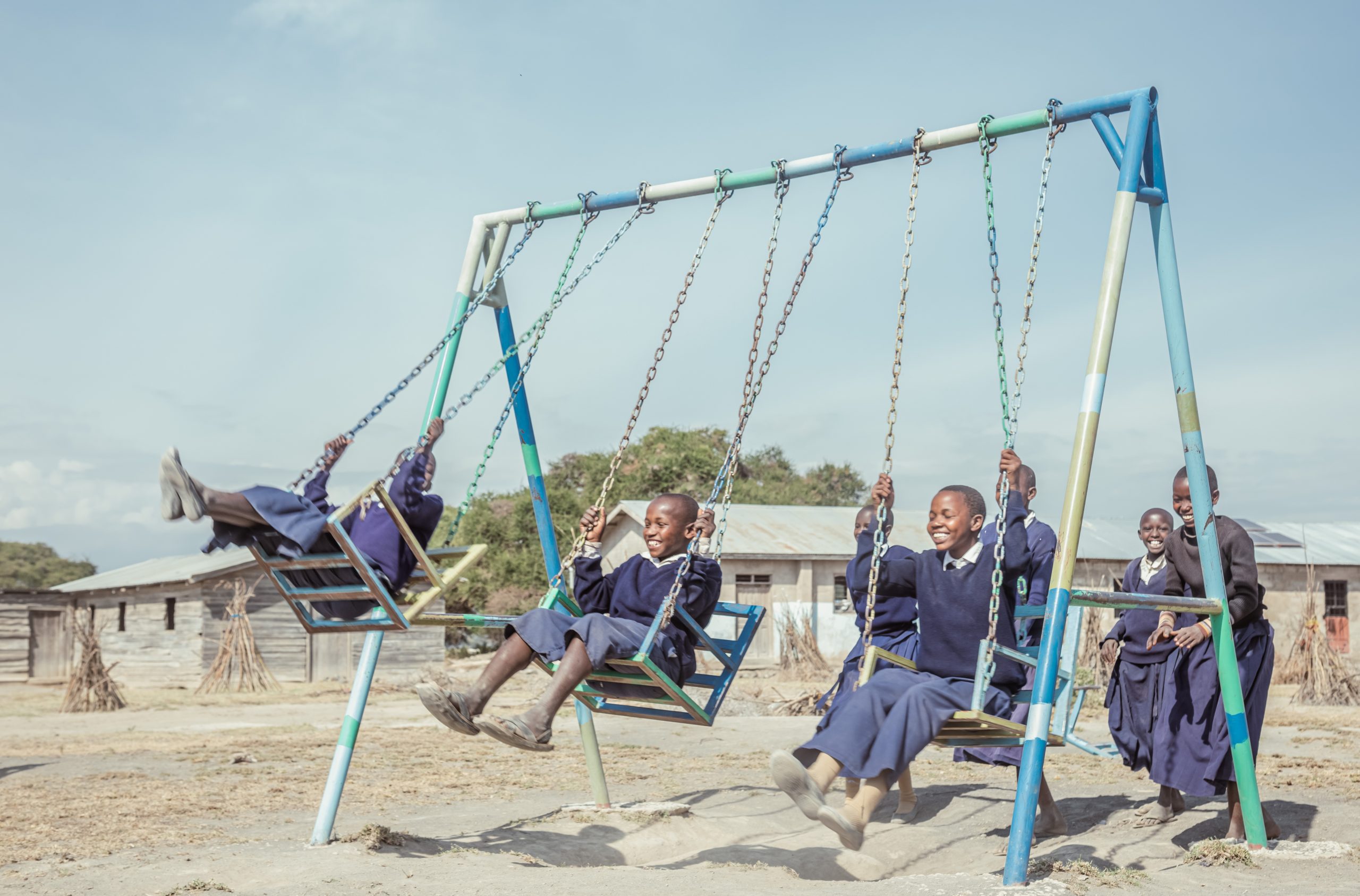
In many pastoral and rural communities of northern Tanzania, children and youth continue to face challenges that limit their access to quality education, health, protection, and economic opportunities. Recognizing these interconnected needs, CASEE, in partnership with Child Fund Korea, initiated a holistic community development project designed to improve the overall well-being of children, youth, and their families. The project takes a child-centered and community-driven approach, ensuring that all stakeholders—from parents and teachers to local leaders and government officials—play an active role in creating an enabling environment where every child can thrive.
Learn More
Project Design, Implementation, and Impact
The project was designed using a participatory approach, actively involving key stakeholders including community members, pupils, ward and village leaders, and district authorities. It is a five-year project (2020–2024) funded by ChildFund Korea, with the overall goal of improving the quality of life of children and youth in Namanga and Tingatinga wards of Longido District.
The project focuses on four key outcomes:
Infants and young children (0–5 years) are secure, active, and healthy
This outcome emphasizes strengthening Early Childhood Development (ECD) through increased parental awareness, improved parenting practices, and enhanced access to quality ECD services.Increased access to quality pre-primary and primary education
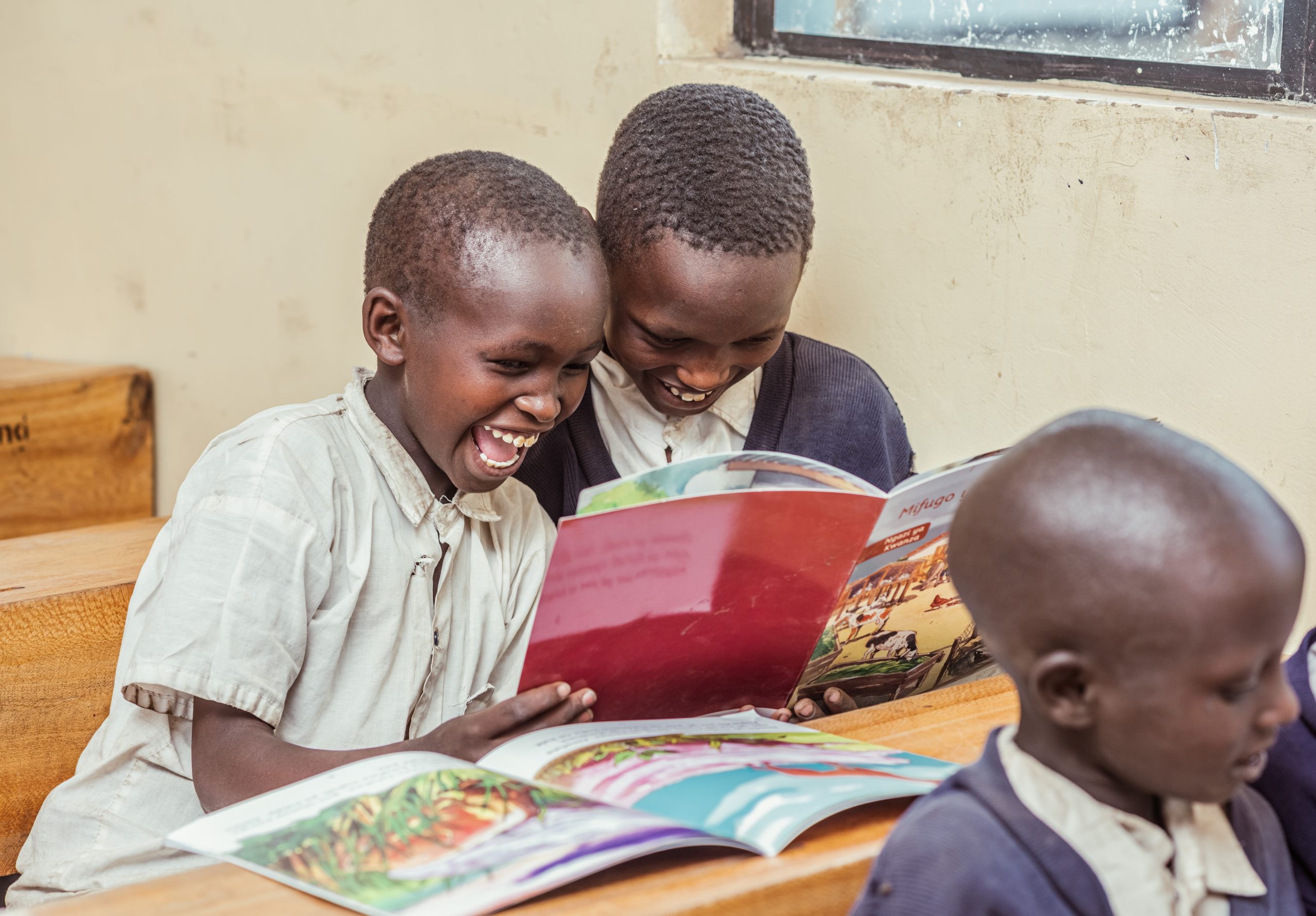
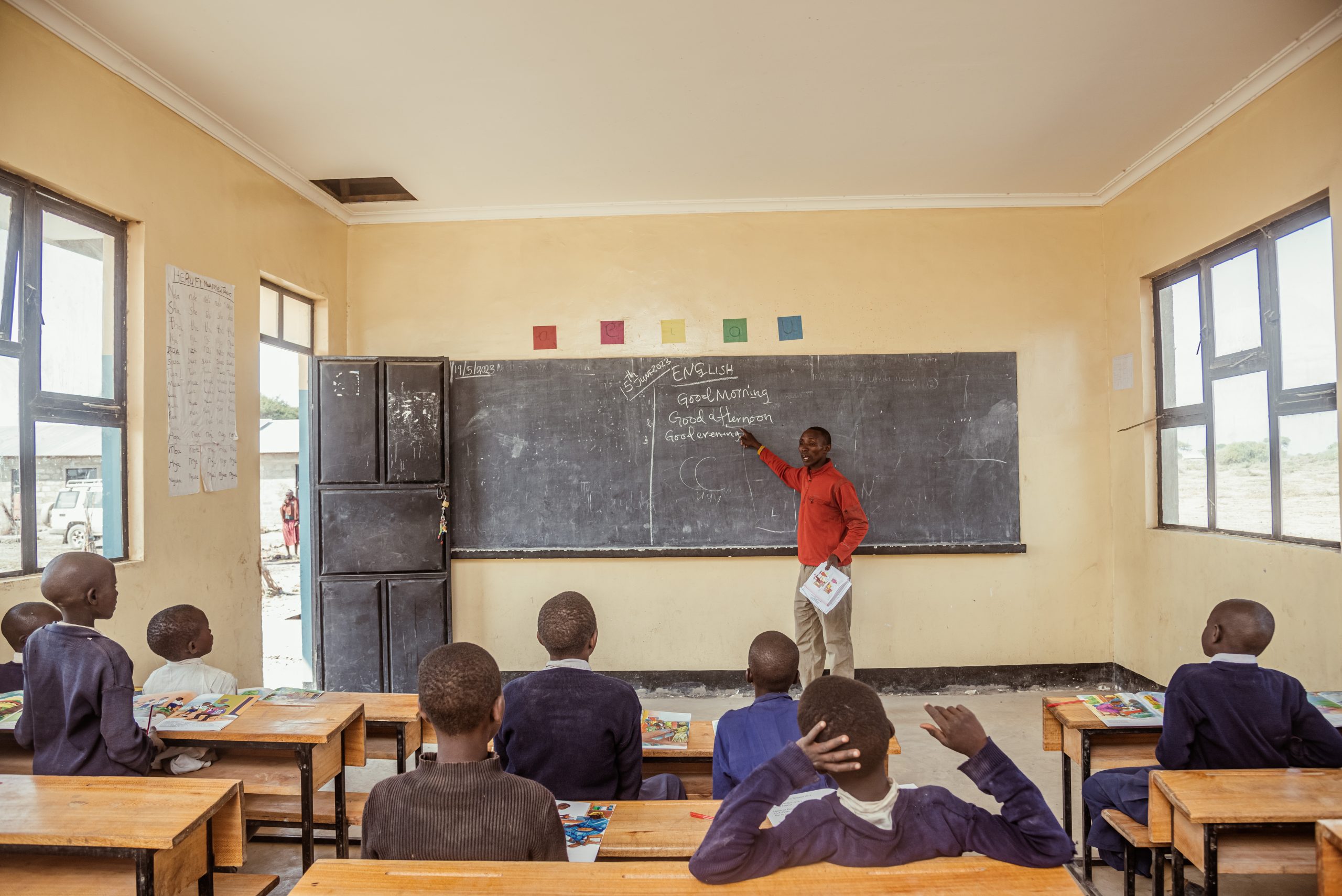
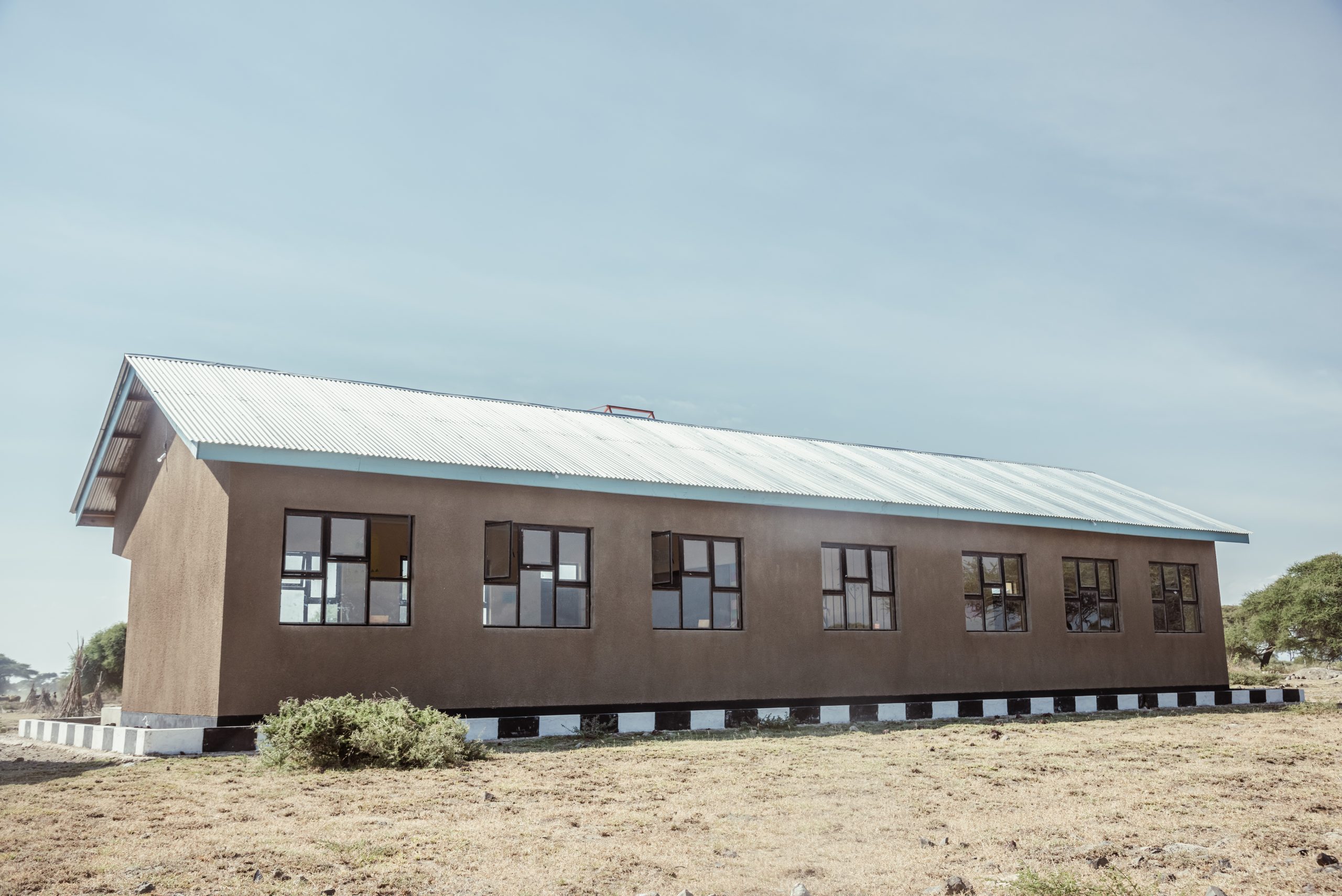
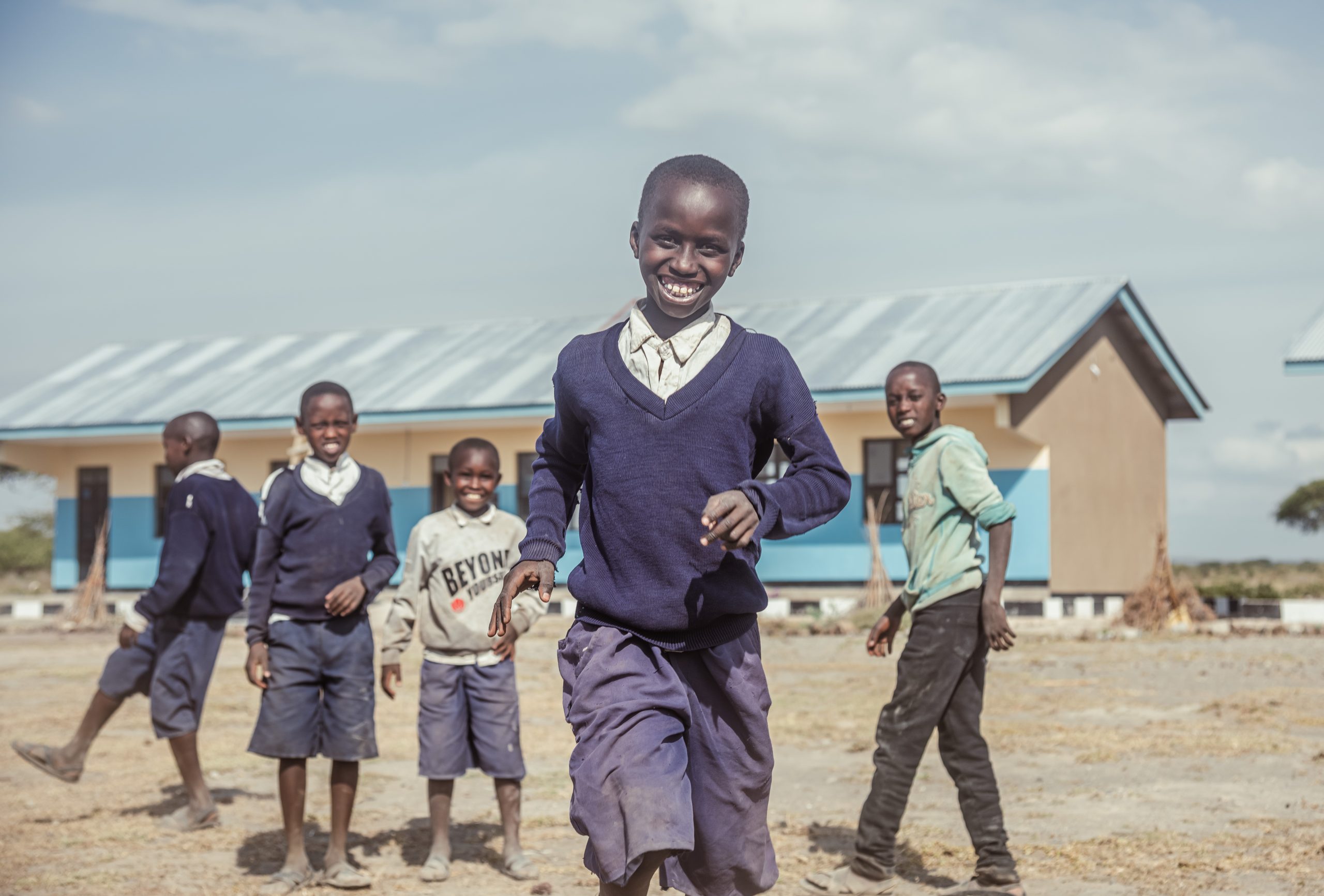
The project supports Early Childhood Education (ECE) and primary education by improving learning environments, teaching quality, and school infrastructure.Youth aged 16–24 years actively participate in social and economic development
Young people are empowered with life skills and economic opportunities to contribute to their own development and that of their communities.Improved access to child protection services within supported communities
Community-based child protection mechanisms are strengthened to safeguard children from abuse, neglect, and exploitation.
Key Achievements (2020–2024)
Over the past four years, the project has built the capacity of more than 30 paraprofessional ECE and pre-primary teachers in Namanga and Tingatinga wards. Teachers were trained in participatory teaching methodologies, preparation of learning materials, and delivery of the foundational 3Rs (Reading, Writing, and Arithmetic).
Parents and caregivers were educated on positive parenting, child protection, health, and nutrition, leading to increased community involvement in ECD initiatives. These efforts resulted in the establishment and improvement of ECD centers, as well as community support for school feeding programs.
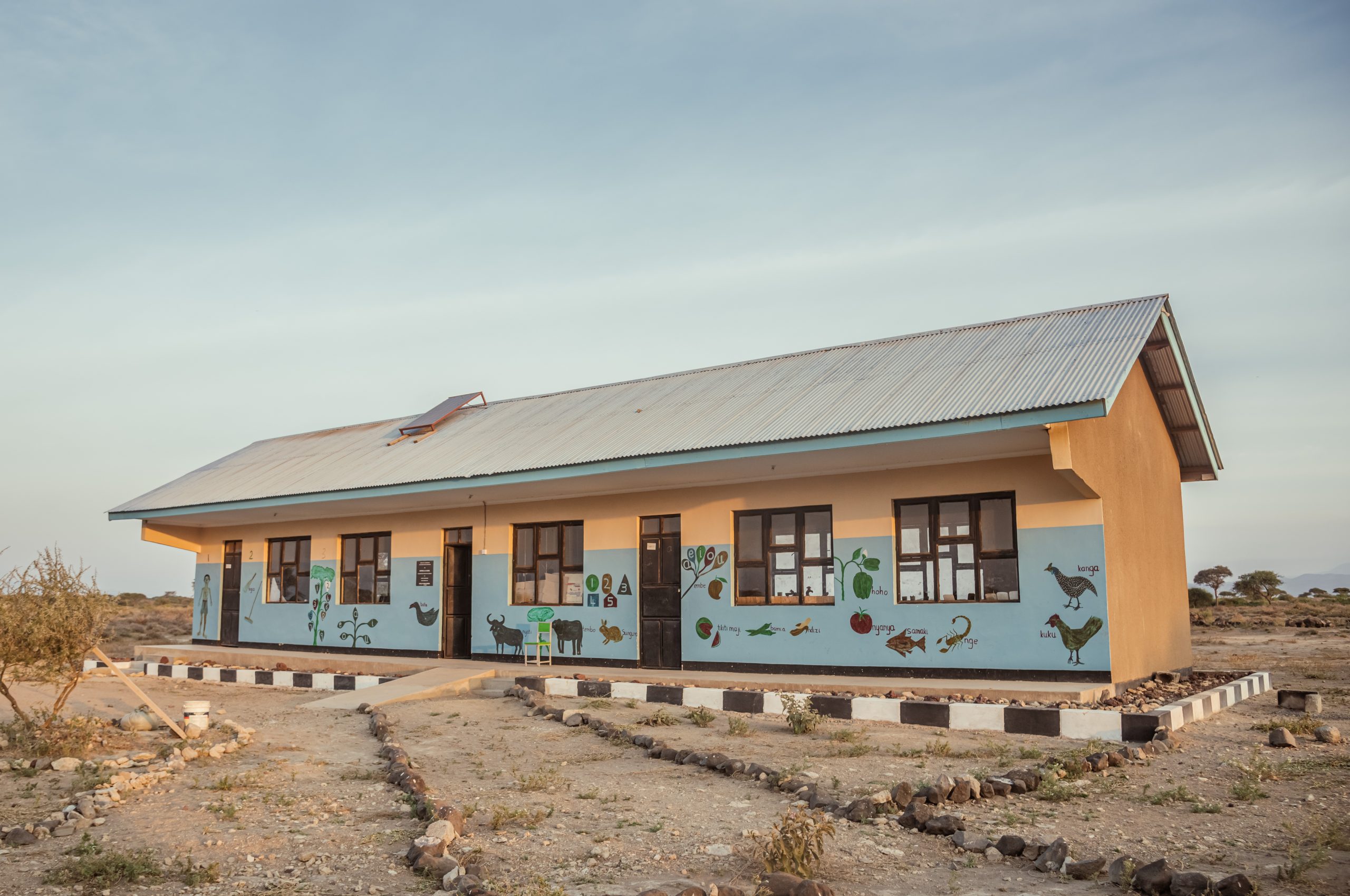
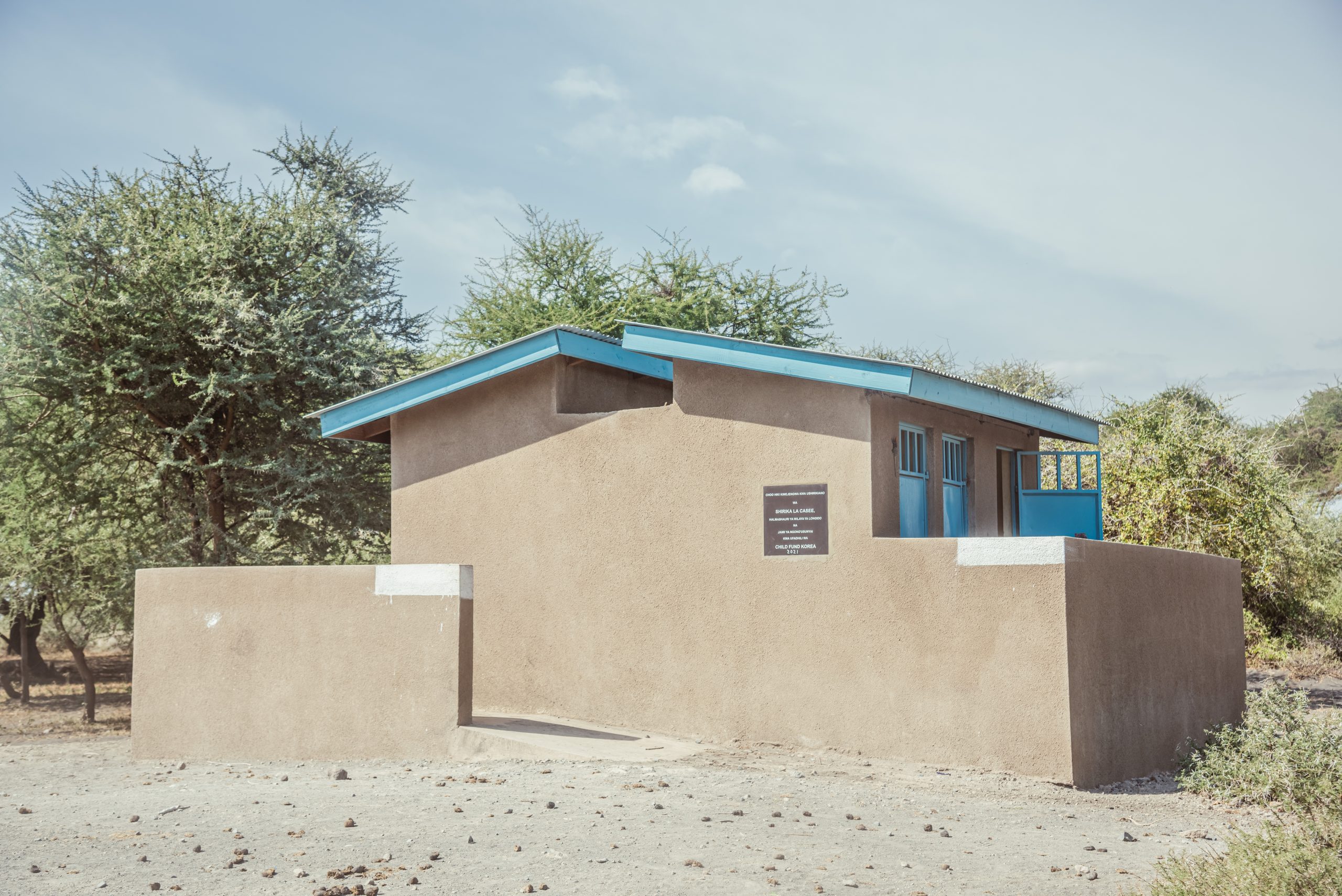
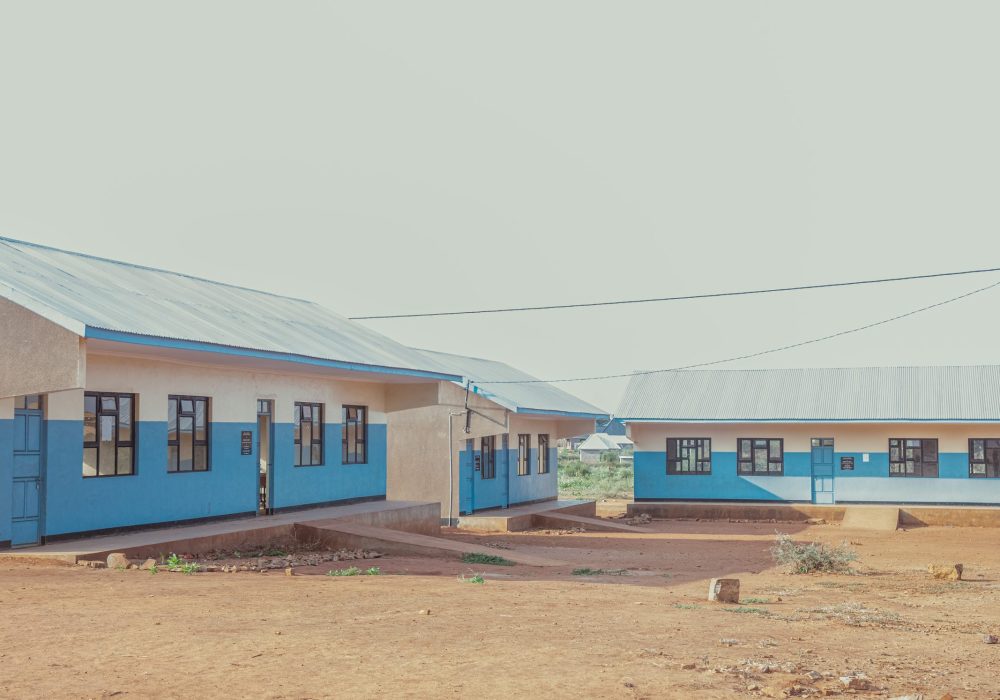
By August 2024, the project had supported the construction and improvement of key education infrastructure, including:
30 classrooms
11 toilet blocks with a total of 66 drop holes
4 teachers’ houses, accommodating 8 families
1 school kitchen
Solar power systems installed in 6 schools
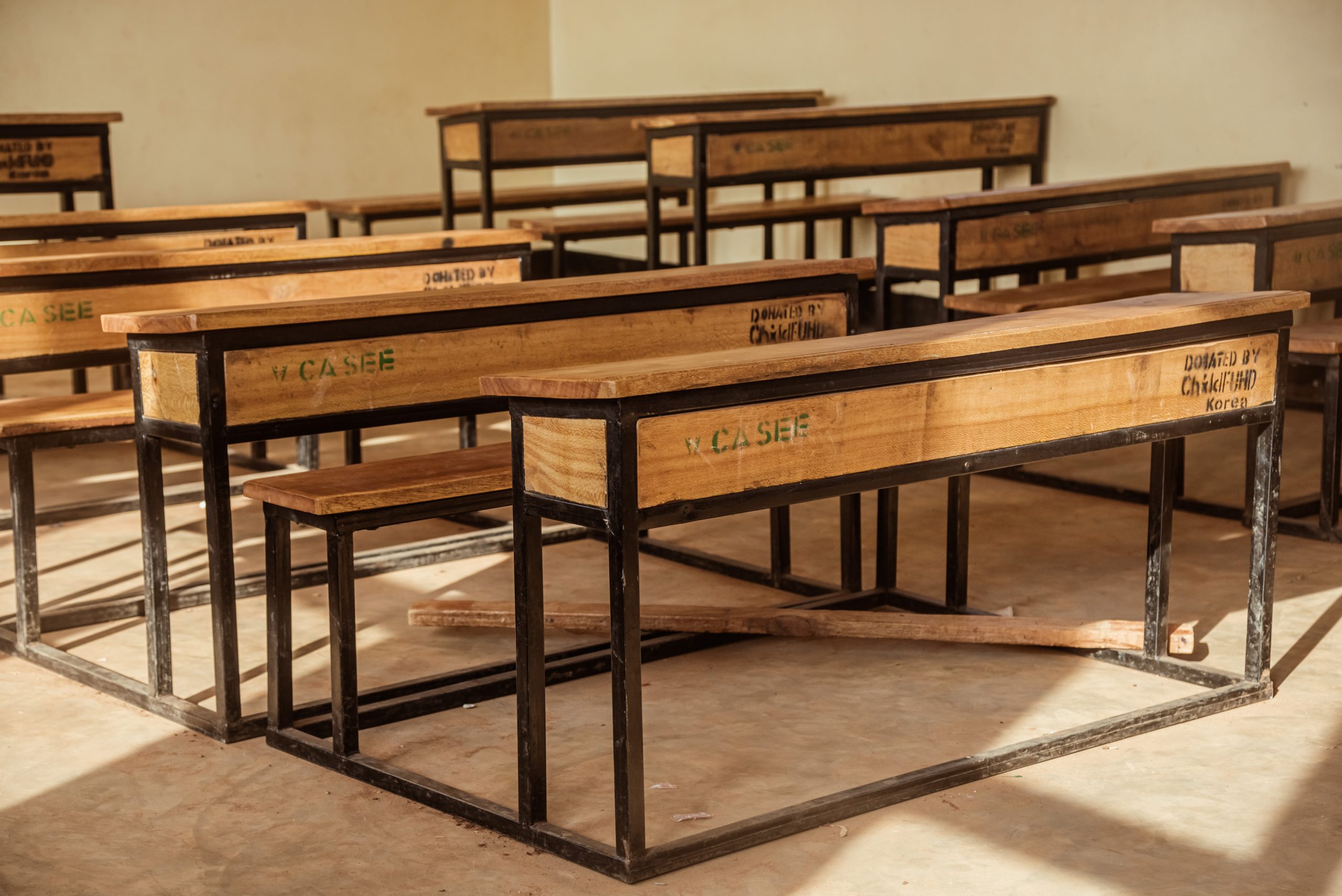
480 pupils’ desks
In addition, schools and ECD centers received essential furniture, including 210 chairs, 35 tables, and 14 book storage cabinets. These interventions significantly enhanced child safety, access to early learning, and school enrollment across the project area.
Child Protection and Gender-Based Violence Response
The project initiated the construction of a safe home for girls who are survivors of abuse in Longido District. Over the past two years, more than 60 girls, primarily from Maasai pastoralist communities, have directly benefited from this facility, receiving protection, care, and support.
Economic Empowerment and Community Protection Systems
To strengthen household resilience, the project integrated Income Generating Activities (IGAs) for women with young children, enabling families to meet basic needs, including access to nutritious food. Additionally, 11 Violence Against Women and Children Committees (VAWCs) were established to strengthen community-based protection and reporting mechanisms.
Project Reach
By the end of December 2024, the project is expected to directly benefit:
550 children aged 0–5 years
1,150 children aged 6–15 years
Over 200 youths aged 16–24 years
150 parents and caregivers, including women with children under five